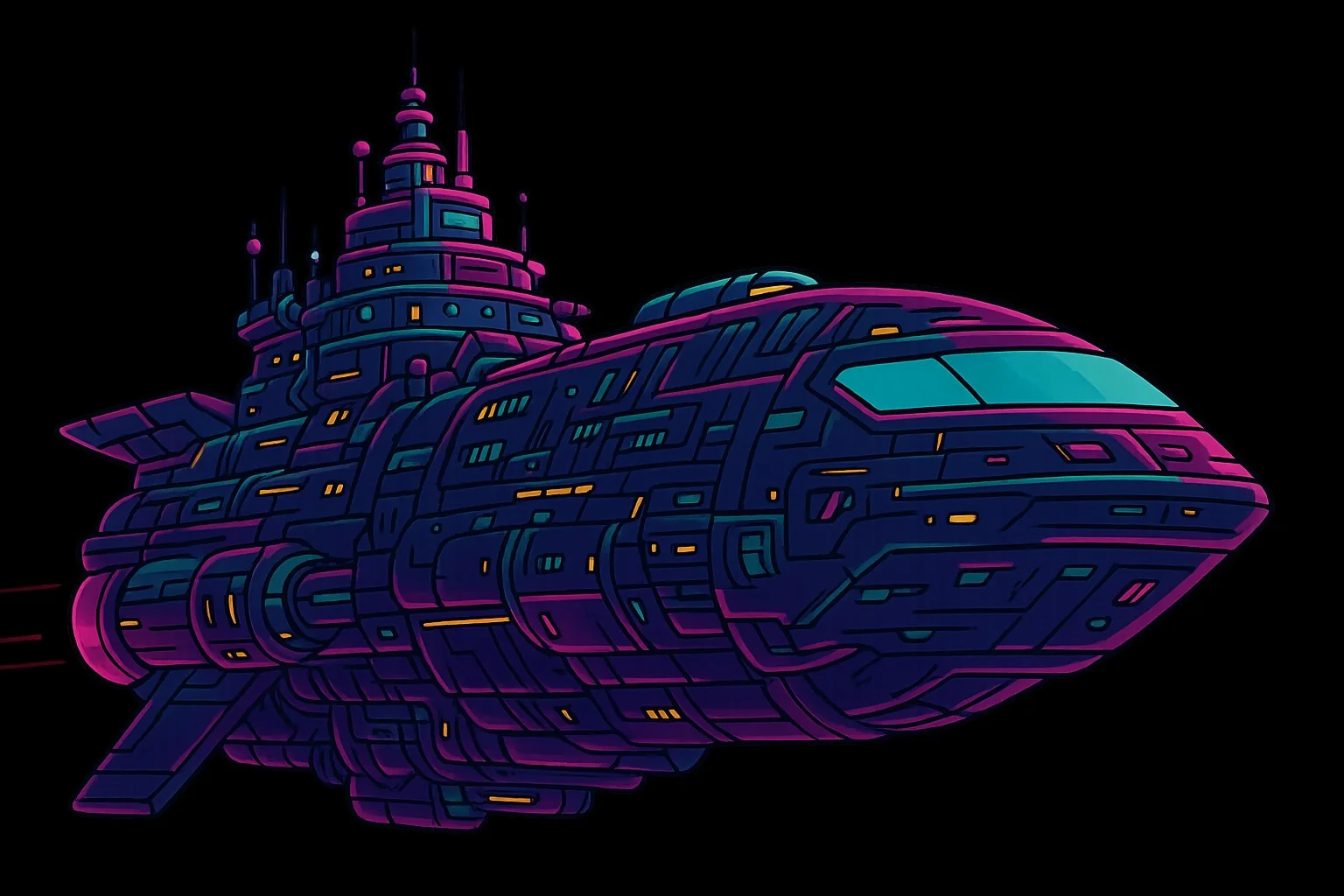
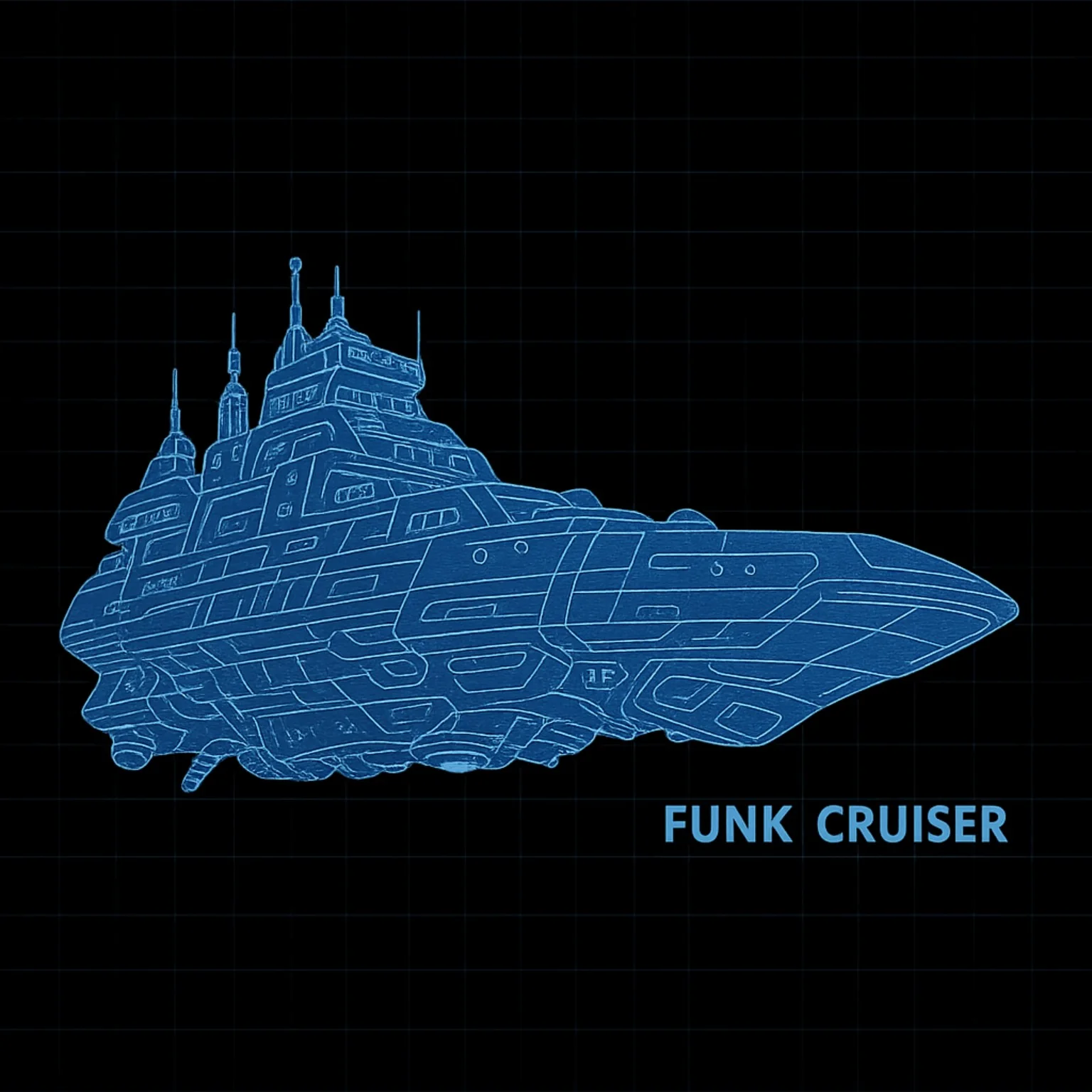
The Beginning of The Future of Funk
As The Usual Suspects campaign approached its conclusion, Brad Lee was already looking ahead to the next project.
Roughly two weeks before The Usual Suspects reached the finish line, conversations began about what would eventually become The Future of Funk.
At the time, the project was little more than an idea. There was no completed visual campaign, no finalized roster, and no established universe.
But there was music.
Brad had already begun reaching out to artists before The Usual Suspects had ended. Wyndell Long had been approached early and already had a completed remix prepared for the new project. His involvement helped establish continuity between the two releases while signaling that The Future of Funk would be its own undertaking.
Another early addition was Pete Salaz. Unlike Wyndell, Pete had not participated in The Usual Suspects, yet Brad had already secured a completed remix from him as well.
During the project's earliest stages, Ronnie Vineyard was able to hear Brad Lee's original track alongside the completed remixes from Wyndell Long and Pete Salaz.
For Ronnie, hearing all three pieces together changed everything. The project was no longer a possibility. It was becoming real.
With Brad's original production already taking shape and two respected legendary artists delivering completed remixes before the project had officially formed, there was little doubt that The Future of Funk was worth joining.
Before the ships. Before the story bible. Before the trading cards. Before the mascot. Before the videos. There were already artists building the foundation.
The Future of Funk had begun.
Visual Concepts
With the foundation of the project established, attention turned toward creating a visual identity for The Future of Funk.
At the time, there was no ship, no mascot, no trading cards, and no established mythology. The project existed as music first, and the challenge became determining what visual world that music belonged in.
During the earliest creative discussions, Brad Lee and Ronnie Vineyard began exploring possible directions for the artwork and overall presentation of the project. One of the strongest early influences was the colorful science-fiction aesthetic found in animated futurist worlds such as Futurama. The goal was never to copy an existing property, but to capture a similar sense of fun, exploration, and futuristic possibility.
As ideas developed, Ronnie brought in Rishi, who had previously contributed artwork connected to The Usual Suspects campaign. Together, they began refining some of the earliest visual concepts for the project.
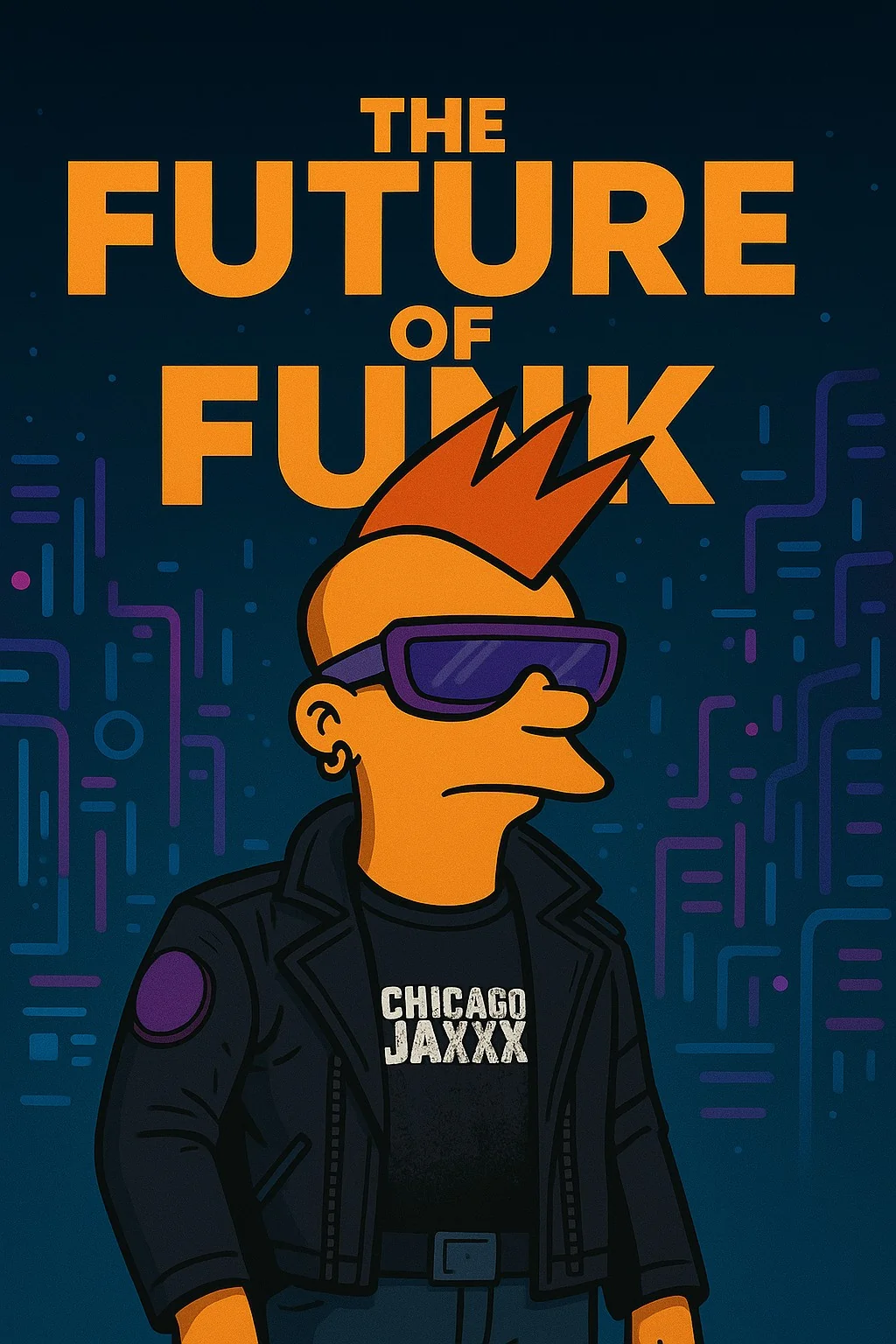
Early Animated Futurist Direction
One of the earliest exploratory images reflected the colorful sci-fi direction being discussed.
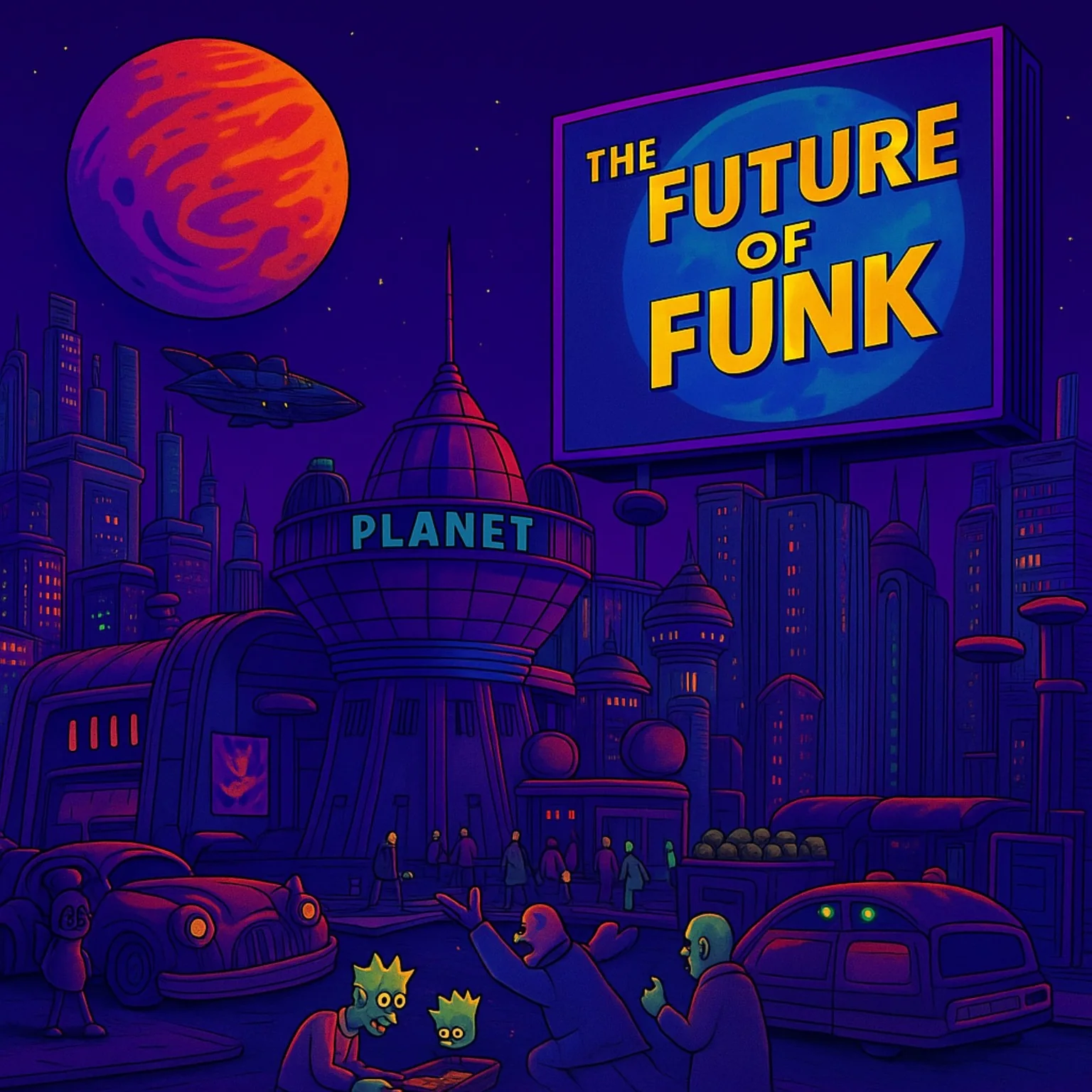
Future City Concept
The concept phase expanded into a futuristic city environment before the mythology and ship became fully defined.
These initial pieces focused on futuristic cities, retro-futurist architecture, vibrant color palettes, science-fiction environments, and a world that felt larger than any individual artist appearing on the compilation.
What began as a discussion about artwork was becoming a discussion about worldbuilding.
The question was no longer what the album should look like. The question became:
Who lives in this universe?
The answer to that question would lead directly to the creation of the Future of Funk mythology.
The Story Bible
Prologue: The Future of Funk
The year is 2894. Humanity has spread far beyond the cradle of Earth, scattering colonies across the stars, forging trade routes, and waging wars until one great power rose to hold them all together: the Earth Federation.
The Federation became a beacon of order and progress, the self-proclaimed guardians of civilization. Their fleets patrolled the galaxy, their laws reached every colony, and their propaganda promised unity, prosperity, and peace.
Yet beneath the surface of this gleaming empire, rot had taken hold.
The Federation was ruled not by justice, but by a council of elitists who placed their own survival above all else. To dissent was treason. To rebel was death.
And while the Federation looked inward, blind in its pride, an ancient shadow stirred in the dark.
From the edges of known space, a force long forgotten crept closer: the Veydran Dominion, a ruthless civilization born of ash and silence.
For centuries they had watched, infiltrating, planting spies deep within the Federation's halls, manipulating fleets and sowing doubt until their plan was complete.
Soon, their armada—vast, merciless, unstoppable—would fall upon Earth itself.
The prophecy came not from a council meeting nor a military stronghold, but from the visions of a single clairvoyant aboard a Federation cruiser.
She gazed into time's fractured stream and saw futures drenched in flame. Earth burning. The Federation shattered. Billions lost.
Every possibility—except one.
The clairvoyant saw salvation not in the Federation, but in those who had abandoned it.
Scattered across the void were men and women who had once been Federation loyalists—admirals, captains, commanders, engineers, scientists—who had turned their backs on the hypocrisy of its rule.
Branded outlaws, they forged their own paths among the stars, living by instinct, freedom, and the raw rhythm of survival.
They were called the Future of Funk Pirates.
Some whispered their name like a curse. Others like a hymn.
Their ships were patched and painted in defiance of uniform fleets, their crews bonded not by law but by loyalty and groove.
They were unpredictable, dangerous, untamed—and it was precisely this chaos, this freedom, this funk—that the clairvoyant foresaw as the only power capable of shattering the Dominion's advance.
The Federation fights with fleets. The Dominion fights with fear.
But the pirates?
The pirates fight with funk.
And the future—the Future of Funk—has only just begun.
Archive Note: Evolution of the Story Bible
The original Future of Funk Story Bible was conceived and written by Ronnie Vineyard during the early development of the project. It served as the foundation upon which the visual universe, mythology, factions, characters, and later campaign assets would be built.
As development continued, certain narrative elements evolved alongside the artwork, videos, and worldbuilding. Some characters, scenes, and story details were refined, expanded, or reinterpreted as new ideas emerged throughout the creative process.
This is a natural part of worldbuilding. The version presented within this archive represents the original foundational mythology that inspired the Future of Funk universe and established its central themes of freedom, rebellion, survival, and unity through music.